Biggest Soundliberty 79 Truly Wireless Buying Mistakes (And How to Avoid Them)
The rise of affordable true wireless stereo (TWS) technology has flooded the market with options that promise premium features at a fraction of the cost of flagship alternatives. Among these, the Soundliberty 79 has carved out a reputation for being a resilient, high-value choice for commuters and fitness enthusiasts alike. However, the path to a satisfying purchase is often riddled with common pitfalls. Many consumers approach the buying process with misconceptions about battery life, waterproof ratings, or the nuances of Bluetooth stability, leading to "buyer’s remorse" that could have easily been avoided with a more nuanced understanding of the product’s specific engineering. This article examines the most significant mistakes buyers make when considering the Soundliberty 79 and provides a comprehensive guide on how to navigate these challenges for a successful audio investment.
Understanding the Soundliberty 79: A Detailed Analysis
Before diving into the common errors of the buying process, it is essential to understand what the Soundliberty 79 actually offers. Positioned as a mid-tier budget option, these earbuds prioritize stability and durability over the flashy software ecosystems found in more expensive models. They utilize "Smart AI" noise reduction technology, which is often misunderstood by the average consumer. Unlike Active Noise Cancellation (ANC), which creates an opposing sound wave to silence the environment for the listener, the AI system in the Soundliberty 79 is primarily designed for microphone clarity. It filters out background noise during voice calls, ensuring that the person on the other end can hear you clearly even in windy or crowded environments.
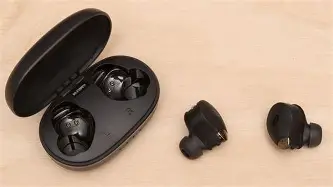
From a hardware perspective, the earbuds feature a compact, ergonomic design with "shark fin" stabilizers that tuck into the ear's concha. This design choice is a major selling point for those who have struggled with earbuds falling out during vigorous activities. The internal drivers are tuned for a consumer-friendly sound profile, emphasizing a punchy low-end and crisp highs, though audiophiles may find the mid-range slightly recessed. Connectivity is handled via Bluetooth 5.0, which, while not the absolute latest standard, remains highly efficient for power consumption and maintains a stable link with most modern smartphones and laptops.
The Real-World Use Case: Mobility and Battery Performance
In real-world testing, the Soundliberty 79 excels in environments where the user is constantly on the move. The IPX8 waterproof rating is one of the highest in its class, theoretically allowing the buds to survive immersion in water. For the average buyer, this translates to total peace of mind during heavy rain or intense, sweat-heavy gym sessions. However, the mistake many make is assuming this waterproof rating extends to the charging case, which remains vulnerable to moisture. The battery life is rated for up to 8 hours on a single charge, with an additional 22 hours provided by the case, totaling 30 hours of playback. While these numbers are impressive, they are often subject to volume levels and distance from the source device—variables that buyers frequently overlook.
Common Buying Mistakes and How to Avoid Them
Mistake 1: Confusing CVC AI Noise Reduction with ANC
One of the most frequent errors is the belief that the Soundliberty 79 features Active Noise Cancellation. Marketing materials often highlight "AI Noise Cancellation," but this refers to the uplink (the microphone) rather than the downlink (the speakers). Buyers who expect the world to go silent when they put these earbuds on will be disappointed. These buds rely on passive isolation—the physical seal of the silicone tip in the ear canal—to block out external noise.
How to avoid it: If your primary goal is to silence airplane engines or office chatter, you should look for models explicitly labeled "ANC." If your goal is to ensure your coworkers can hear you clearly on a Zoom call while you sit in a coffee shop, then the Soundliberty 79’s AI call technology is exactly what you need.
Mistake 2: Overestimating the IPX8 Rating
While an IPX8 rating suggests that the earbuds can be submerged, many buyers take this too literally and attempt to use them for swimming. Bluetooth signals do not travel well through water, often cutting out the moment the head is submerged. Furthermore, pool chemicals like chlorine or salt in the ocean can corrode the charging pins and internal seals over time.
How to avoid it: View the IPX8 rating as "survivability" rather than "submersibility." Use them for running, gym work, and commuting in the rain. Avoid using them in the pool or shower, as steam and pressurized water can still penetrate the seals that static water immersion tests might not catch.
Find top-rated Audio & Headphones products at great prices.
See Deals →Mistake 3: Ignoring the Fit and Ear Tip Selection
A surprising number of users complain about poor sound quality or lack of bass without ever trying the various ear tips provided in the box. Sound quality in TWS earbuds is 90% dependent on a proper seal. If the tip is too small, air leaks out, killing the low-end frequencies and making the audio sound thin and tinny.
How to avoid it: Spend 15 minutes testing every combination of silicone tips and "shark fins" included. The goal is a "vacuum" feel where the earbuds feel secure and ambient noise is significantly reduced even before music starts playing. This simple step transforms the Soundliberty 79 from a mediocre pair of headphones into a high-performance audio tool.
Mistake 4: Disregarding Device Compatibility for Latency
While Bluetooth 5.0 is standard, the codecs supported by the Soundliberty 79 are typically limited to SBC and AAC. High-end Android users looking for AptX or LDAC for high-bitrate audio or ultra-low latency gaming will find these earbuds lacking in that specific niche. Some buyers purchase them for competitive mobile gaming and then complain about a slight delay between a gunshot on screen and the sound in their ears.
How to avoid it: Understand that these are built for music, podcasts, and calls. If you are a professional gamer, you may require a model with …
Pros and Cons of the Soundliberty 79
To provide a balanced perspective, it is helpful to look at the objective strengths and weaknesses of this specific model. These pros and cons are based on long-term user feedback and technical specifications.
- Pros: Exceptional Durability - The IPX8 rating and robust plastic build make these some of the most "accident-proof" earbuds on the market.
- Pros: Secure Fit - The inclusion of wingtips (shark fins) ensures the buds stay in place during running or high-intensity interval training.
- Pros: Class-Leading Microphone - The AI-driven noise reduction for calls is superior to many more expensive competitors, making it a favorite for remote workers.
- Pros: Independent Use - Either the left or right earbud can be used in "Mono Mode," which is useful for staying aware of surroundings or extending battery life.
- Cons: No App Support - There is no companion app for EQ adjustments or firmware updates, limiting customization.
- Cons: Micro-USB Charging Port Issues - Depending on the specific production batch, some older versions of this product line lacked USB-C, though newer iterations have corrected this. Buyers must verify the port type.
- Cons: Tactile Button Sensitivity - The touch controls can sometimes be overly sensitive, leading to accidental pauses when adjusting the fit in the ear.
Technical Comparison: Soundliberty 79 vs. Industry Standards
To help you see where these earbuds fit within the broader landscape, the following table compares key metrics that buyers typically evaluate during their research phase.
| Feature | Soundliberty 79 | Standard Budget TWS | Premium TWS (High-End) |
|---|---|---|---|
| Waterproof Rating | IPX8 | IPX4 - IPX5 | IPX4 - IPX7 |
| Single Charge Battery | 8 Hours | 4 - 5 Hours | 6 - 10 Hours |
| Call Quality Tech | Smart AI Noise Reduction | Standard Mic | Multi-Mic Array + ANC |
| Stabilizer Fins | Yes (Included) | Rarely | Optional / Custom Fit |
| Case Capacity | 22 Hours Extra | 10 - 15 Hours Extra | 20 - 40 Hours Extra |
Comprehensive Buying Guide: Ensuring a Successful Purchase
When you have decided that the Soundliberty 79 fits your lifestyle, following a systematic approach to the purchase can prevent frustration. This section outlines the essential steps to take before and immediately after your purchase.
Shop the latest Audio & Headphones picks on Amazon.
View Offers →Verify the Latest Iteration
Manufacturers often update internal components without changing the model name. For the Soundliberty 79, early versions faced some connectivity complaints that were largely resolved in later batches. Ensure you are purchasing from a high-volume retailer to increase the likelihood of receiving the most recent production run, which typically features improved Bluetooth stability and refined touch controls.
Analyze Your Primary Environment
Are you buying these for an open-plan office? If so, recall the mistake regarding ANC. These buds excel in wind and rain, but they do not "cancel" the sound of your coworkers' conversations. However, if you are buying them because your current earbuds keep falling out while you run, the shark-fin design makes these a top-tier candidate. Always match the hardware features to your specific routine.
Battery Ethics and Maintenance
To avoid the mistake of premature battery failure, buyers should understand "Li-ion health." Do not leave the case plugged in overnight every single night. The "8-hour" claim is based on 50% volume. If you listen at 80-100%, expect around 5 to 6 hours. Understanding these realistic expectations prevents the feeling that the product is "defective" when it is simply performing within the laws of physics.
The "First Hour" Protocol
Once the box arrives, do not just pair them and go. Follow these steps:
- Fully charge the case and buds until the indicators show a complete cycle.
- Perform a "factory reset" out of the box (usually involving holding the touch sensors while in the case). This ensures any testing firmware from the factory is cleared.
- Test the microphone by recording a voice memo on your phone while standing near a fan or running water. This lets you hear the AI noise reduction in action and confirms the hardware is functioning.
- Cycle through all ear tips. This is the most important step for audio quality.
The Impact of Bluetooth 5.0 and Signal Interference
A common mistake is blaming the earbuds for signal drops in specific locations. TWS earbuds operate on the 2.4GHz frequency, which is shared by Wi-Fi routers and microwaves. The Soundliberty 79 uses a "Role Switching" technology that allows the buds to swap the primary connection between left and right to maintain stability. If you experience "stuttering," it is often due to external interference or keeping the phone in a pocket opposite to the "master" earbud. To avoid this, try to maintain a clear line of sight between your device and your head, or experiment with which earbud you pair first to see which side handles your body’s interference better.
Conclusion
The Soundliberty 79 Truly Wireless earbuds represent a masterclass in functional, durable design within the budget category. They are not meant to be a status symbol or a professional studio monitor; they are workhorse earbuds designed for the rigors of daily life. The biggest mistakes buyers make—confusing AI call noise reduction with ANC, pushing the waterproof limits too far, or failing to secure a proper physical fit—are all easily avoidable with a bit of education. By understanding that these earbuds prioritize a secure fit, clear call quality, and extreme moisture resistance, you can align your expectations with the product’s true capabilities. When used correctly and maintained properly, they offer a level of reliability that often surpasses their price tag, proving that a smart buyer is always the most satisfied listener.