Biggest Zoom Fly 6 Buying Mistakes (And How to Avoid Them)
The release of the Zoom Fly 6 represents a significant milestone in the evolution of performance trainers. Positioning itself as the "super trainer" within a crowded market, this model bridges the gap between everyday high-mileage grinders and elite carbon-plated race day shoes. However, as with any high-specification piece of equipment, the transition from professional-grade engineering to the average consumer's feet often leads to misunderstandings. For many enthusiasts, the Zoom Fly 6 is a major investment, and failing to understand its specific design architecture and intended use cases can lead to expensive buyer's remorse.
Whether you are a marathoner looking for a reliable tempo shoe or a fitness enthusiast attracted to the aggressive aesthetics and brand prestige, understanding the nuances of this footwear is essential. The "Electronics" of modern performance shoes—referring to the bio-mechanical energy return systems and specialized foam chemistry—require a more technical approach to purchasing than a standard pair of sneakers. This article identifies the most common pitfalls buyers encounter when selecting the Zoom Fly 6 and provides actionable advice on how to ensure the shoe aligns with your specific biomechanics and training goals.
Detailed Product Analysis: The Engineering of the Zoom Fly 6
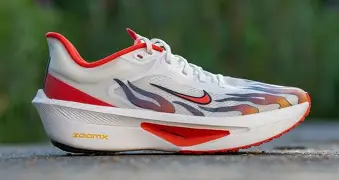
To understand why people make mistakes when buying the Zoom Fly 6, one must first understand what the shoe actually is. The Zoom Fly series has always been a polarizing line, often living in the shadow of the Vaporfly. However, version 6 has undergone a radical redesign that changes the density of the midsole and the geometry of the outsole. At its core, the shoe features a full-length carbon fiber Flyplate sandwiched between layers of high-performance foam. In this iteration, the foam composition is a blend of ZoomX—the brand's lightest and most responsive material—and a more stable SR-04 carrier foam.
The midsole geometry is notably more aggressive than previous models. It utilizes a high-stack height that pushes the boundaries of stability, paired with a significant rocker shape designed to propel the runner forward during the toe-off phase of the gait cycle. The upper has been refined to a lightweight, breathable mesh that prioritizes weight reduction over plush comfort. When you analyze the Zoom Fly 6, you are looking at a tool designed for speed endurance. It is not a recovery shoe, nor is it a specialized sprinter's flat. It is a precision instrument designed for sustained, high-cadence efforts.
Mistake #1: Confusing the Zoom Fly 6 with a Daily Trainer
The most frequent error buyers make is purchasing the Zoom Fly 6 to serve as their primary, everyday shoe. Because of its price point and visual appeal, many consumers assume it is a "better" version of a standard neutral trainer. This is a misunderstanding of footwear categorization. A daily trainer is designed for comfort, durability, and shock absorption at slow to moderate speeds. The Zoom Fly 6, conversely, is built for tempo runs and interval training.
When worn at slow paces, the carbon fiber plate can actually feel restrictive. Carbon plates are designed to flex and snap back to provide energy return, but this mechanism only activates efficiently when a certain amount of force is applied through the forefoot. If you are using this shoe for a slow recovery walk or a low-intensity jog, the plate remains relatively rigid, which can lead to foot fatigue or even plantar discomfort. To avoid this mistake, buyers must evaluate their weekly mileage and ensure they have a softer, non-plated shoe for their easy days, reserving the Zoom Fly 6 for days when the heart rate is high and the pace is fast.
Mistake #2: Misjudging the Stability Profile
Modern "super trainers" are notorious for having narrow midfeet and high stack heights, and the Zoom Fly 6 is no exception. A common mistake is for runners with moderate to high overpronation to buy this shoe based on its performance reviews without considering their own ankle stability. The soft ZoomX foam, while excellent for energy return, is inherently unstable. When you compress that foam under the weight of a heavy heel strike or an inward-rolling ankle, the shoe can exaggerate those bio-mechanical tendencies.
Buyers often overlook the "wobble" factor of a high-stack shoe. If you primarily run on uneven surfaces, cracked pavement, or routes with many sharp turns, the Zoom Fly 6 might pose a risk for ankle rolls. Avoid this mistake by performing a "squeeze test" on the heel counter and observing the width of the platform. If you have a history of stability issues, this shoe should be approached with caution or used strictly on flat, predictable surfaces like a track or a well-maintained towpath.
Looking for the best Electronics deals on Amazon?
Browse Now →Mistake #3: Evaluating Fit Based on "Street Shoe" Sizes
Sizing remains a persistent hurdle in the Zoom Fly lineage. The Zoom Fly 6 features a highly "contoured" fit, meaning the upper is designed to wrap tightly around the foot to prevent sliding during high-speed maneuvers. Many buyers order their standard casual shoe size only to find that their toes are cramped or that the "hot spots" develop over the top of the foot during a long run.
In performance hardware, "lockdown" is the priority. However, because feet swell during intense exercise due to increased blood flow and heat, a shoe that feels "perfect" in a showroom can become painful after five miles. The mistake here is failing to account for this volumetric expansion. Generally, experts recommend a thumb's width of space between the end of the longest toe and the front of the shoe. When buying the Zoom Fly 6, it is often wise to ignore the number on the box and focus on the internal volume and the security of the heel cup.
Mistake #4: Overestimating the Outsole Durability
There is a recurring misconception that a higher price tag equates to a longer lifespan. In the world of high-performance footwear, the opposite is often true. The Zoom Fly 6 utilizes specialized rubber compounds and exposed foam to keep weight to a minimum. A major mistake is expecting this shoe to last the 500 to 600 miles that a heavy-duty workhorse trainer might provide.
The traction on the Zoom Fly 6 is optimized for dry asphalt and synthetic tracks. If a buyer uses these as their "everything" shoe—including light trail work or…
Pros and Cons of the Zoom Fly 6
- Pro: Energy Return - The combination of the Flyplate and the foam core provides a distinct "pop" that reduces the perceived effort at faster paces.
- Pro: Weight-to-Cushion Ratio - It offers a massive amount of underfoot protection without the cumbersome weight typically associated with high-stack shoes.
- Pro: Breathability - The engineered mesh upper is world-class, ensuring that heat buildup is minimized during summer training sessions.
- Pro: Aesthetic Versatility - Unlike many garish race shoes, the Zoom Fly 6 often comes in sophisticated colorways that appeal to the design-conscious buyer.
- Con: Lateral Instability - The narrow platform and soft foam make it unsuitable for those with significant stability needs or weak ankles.
- Con: Price Entry Barrier - It sits at a premium price point which may be hard to justify for casual or low-mileage runners.
- Con: Stiffness - The rigid nature of the carbon plate makes the shoe feel unnatural during walking or very slow warm-up phases.
- Con: Tongue Construction - Some users find the thin, racing-style tongue can cause lace bite if the shoes are tied too tightly for a secure lockdown.
Comparison: Zoom Fly 6 vs. Market Alternatives
To help buyers understand where the Zoom Fly 6 sits in the current landscape, the following table compares it to other popular categories in the performance footwear space. This highlights why choosing the "wrong" category is such a common mistake.
| Feature | Zoom Fly 6 (Super Trainer) | Standard Daily Trainer | Elite Race Day Shoe |
|---|---|---|---|
| Primary Foam | ZoomX / SR-04 Blend | Standard EVA or Peglon | 100% Premium PEBA / ZoomX |
| Internal Plate | Full-length Carbon Fiber | None or Plastic Shank | Aggressive Carbon Geometry |
| Weight | Lightweight (approx. 9oz) | Medium (approx. 10.5oz) | Ultra-Light (approx. 7oz) |
| Expected Lifespan | 300 - 400 Miles | 450 - 600 Miles | 150 - 250 Miles |
| Best Use Case | Tempo / Interval / Long Run | Easy Miles / Recovery | Marathon / Half-Marathon Race |
Buying Guide: How to Ensure the Zoom Fly 6 is Right for You
Buying the Zoom Fly 6 should be a calculated decision based on data, not an impulse purchase driven by marketing. Following this guide will help you determine if you are the intended user for this specific piece of technology.
Step 1: Analyze Your Current Rotation
Do you already own a reliable pair of shoes for your slow days? If the answer is no, do not buy the Zoom Fly 6 yet. A performance shoe is meant to supplement a rotation, not replace the foundation. If you try to do your 10-minute-per-mile recovery runs in a plated shoe, you are increasing your risk of injury. Ensure you have a "comfort" shoe first, then look to the Zoom Fly 6 as your "speed" upgrade.
Discover deals on Electronics — updated daily.
See Deals →Step 2: Test Your Gait
If possible, have your running form analyzed. The Zoom Fly 6 rewards a midfoot or forefoot strike. If you are a heavy heel striker, you might find the transition of the shoe feels clunky or that you aren't getting the full benefit of the carbon plate. While the version 6 has improved its heel stability compared to version 4 and 5, it still prefers an efficient, forward-leaning posture.
Step 3: Consider the Climate and Terrain
Are you running in a city with slick, rainy pavements? The outsole of the Zoom Fly 6 is built for speed, which sometimes means sacrificing the "sticky" grip found on trail shoes or heavier trainers. If your primary goal is winter training in wet conditions, look closely at the rubber coverage on the forefoot. If it looks too minimal for your local environment, you may want to reconsider.
Step 4: Verify the Return Policy
Because of the unique feel of a carbon-plated shoe, you cannot truly know if it works for you until you run in it. Many people make the mistake of buying from retailers with restrictive return policies. Ensure you can return the shoes after a "treadmill test" at the very least. The stiffness of the Flyplate is a "love it or hate it" sensation, and you don't want to be stuck with a $170 paperweight.
The Evolution of "Super Training"
The Zoom Fly 6 represents the democratization of elite technology. Just a few years ago, carbon plates were reserved strictly for the $250+ race day category. The mistake many buyers make is failing to realize that with great power comes great responsibility—specifically, the responsibility to use the tool correctly. The high stack height and energy return systems are designed to help you maintain a faster pace for longer, but they do not replace the need for strong lower-body mechanics and proper training periodization.
In the electronics of high-performance gear, we often talk about "efficiency." The Zoom Fly 6 is an efficiency-boosting device. It saves your muscular systems from some of the vibration and impact of hard efforts, allowing you to recover faster for your next session. If you buy the shoe with the expectation that it will magically make you faster without effort, you are falling for a common marketing trap. The shoe assists the runner; it does not do the running for them.
Conclusion
The Zoom Fly 6 is an exceptional piece of engineering that offers a glimpse into the future of athletic footwear. By avoiding the common mistakes of improper sizing, pace mismanagement, and overestimating durability, buyers can unlock the true potential of this shoe. It excels when used as a specialized tool for speedwork and long, rhythmic efforts where the carbon plate and ZoomX foam can work in harmony. Ultimately, the successful purchase of a Zoom Fly 6 comes down to self-awareness: knowing your gait, knowing your goals, and knowing exactly where this shoe fits within your broader fitness journey. When these factors align, the Zoom Fly 6 is not just a purchase—it is a performance-enhancing asset that can redefine your training limits.