Spec Battle: Logitech K620 vs Ricoh Scansnap Ix2500 Document Scanner — Is It Worth Upgrading?
In the evolving landscape of the modern home office, the tools we choose to populate our desks define our productivity. For years, the integration of hardware has been a game of incremental improvements. However, every so often, two products from entirely different categories find themselves at the center of a "setup upgrade" debate. Today, we are looking at a unique crossover comparison that many digital nomads and office professionals are currently weighing: the Logitech K620 wireless keyboard and the Ricoh Scansnap Ix2500 document scanner.
While one is an input device designed for ergonomic typing and the other is a high-speed data capture engine, both represent significant investments in one's workflow infrastructure. As laptop users increasingly move toward "docked" desktop setups, the question remains: should you prioritize the interface you touch every second, or the device that digitizes your physical world? This article explores the technical specifications, real-world utility, and long-term value of both devices to determine which upgrade offers the most transformative impact for your laptop-centric workstation.
The Logitech K620: Refining the Tactile Interface
The Logitech K620 enters the market as a mid-to-high-tier wireless keyboard aimed specifically at users who spend eight to ten hours a day tethered to a laptop. For many laptop owners, the built-in chiclet keys of a MacBook or a Dell XPS are sufficient for short bursts of email, but they often fall short during long-form writing or extensive coding sessions. The K620 is designed to bridge the gap between the portability of a laptop and the robust feel of a dedicated desktop peripheral.
Technically, the K620 focuses on several key areas: key travel, connectivity, and multi-device integration. It utilizes Logitech’s proprietary Perfect Stroke key system, which provides a deeper travel than standard integrated laptop keyboards while maintaining a silent profile. This is a critical consideration for those working in shared spaces or quiet home environments. The inclusion of a slightly concave keycap design helps in reducing typos by guiding the fingertips to the center of the key, a small but vital ergonomic detail that laptop keyboards often ignore due to space constraints.
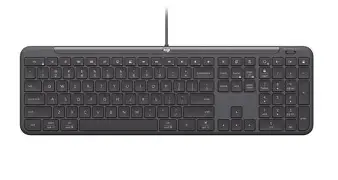
Connectivity is perhaps where the K620 shines brightest for the laptop user. It supports both the Logi Bolt USB receiver and Bluetooth Low Energy. For users with modern laptops that are notoriously port-starved, the ability to connect via Bluetooth without a dongle is a major selling point. Furthermore, its ability to switch between three different devices—perhaps your laptop, a tablet, and a secondary computer—via dedicated Easy-Switch keys makes it a versatile hub for a multi-screen workflow.
Pros and Cons of the Logitech K620
- Excellent tactile feedback with a silent operation that surpasses most integrated laptop keyboards.
- Robust multi-device connectivity allowing seamless switching between a laptop and mobile devices.
- Exceptional battery life, often lasting up to 36 months on a single set of batteries, reducing maintenance anxiety.
- Dedicated shortcut keys for productivity software and OS-level functions like screen snipping and media control.
- Limited customization for advanced macro users compared to high-end mechanical alternatives.
- Lacks a backlight, which may be a drawback for users who frequently work in low-light environments.
The Ricoh Scansnap Ix2500: The High-Speed Gateway to Digital Organization
Turning our attention to the Ricoh Scansnap Ix2500, we move from the world of input to the world of ingestion. The Scansnap line has long been the gold standard for personal and small-business document scanning, and the Ix2500 is the culmination of years of refinement in "one-touch" digitizing. For the professional whose work involves physical contracts, handwritten notes, or high volumes of receipts, the Ix2500 is not just a tool; it is a lifestyle shift toward a paperless existence.
The Ix2500 is a dedicated sheet-fed scanner capable of duplex scanning (both sides) in a single pass. What sets it apart from the scanners integrated into "All-in-One" printers is its speed and reliability. It is designed to handle up to 30 or 40 pages per minute, depending on the resolution settings, and features ultrasonic sensor technology to detect and prevent multi-feeds. For a laptop user, the Ix2500 is an external brain. It connects via Wi-Fi directly to the Scansnap Cloud, meaning you don’t even need your laptop open or connected via a cable to send documents to your preferred cloud storage service like Google Drive, Dropbox, or Evernote.
The software suite accompanying the Ix2500 is arguably as important as the hardware. Ricoh’s ScanSnap Home software manages the organization, OCR (Optical Character Recognition), and filing of scanned documents. For the user, this means that a physical invoice scanned through the Ix2500 becomes a searchable PDF or an editable Word document almost instantly. In a modern laptop workflow, where local storage is often limited and cloud-based collaboration is king, this device serves as the primary bridge between the analog and digital realms.
Pros and Cons of the Ricoh Scansnap Ix2500
- Incredible scanning speed and accuracy, virtually eliminating the frustration of paper jams or missed pages.
- Seamless Cloud integration allows for scanning directly to online folders without computer intervention.
- Advanced OCR technology turns physical text into searchable data, significantly improving document retrieval.
- Compact, foldable design that consumes very little desk space when not in use, ideal for small laptop desks.
- Significant initial investment cost compared to multi-function printers or mobile scanning apps.
- Requires a stable Wi-Fi connection to utilize its most advanced cloud-direct features effectively.
Technical Comparison: Interface vs. Ingestion
Comparing these two devices requires looking at their specifications through the lens of workflow efficiency. While they serve different functions, their "specs" tell a story of how they improve your daily life. The keyboard enhances the speed of your output, while the scanner enhances the speed of your input and archiving.
Looking for the best Laptops & Computers deals on Amazon?
View Offers →| Feature | Logitech K620 Keyboard | Ricoh Scansnap Ix2500 Scanner |
|---|---|---|
| Primary Function | Text Input & Device Control | Document Digitization & Archiving |
| Connectivity | Bluetooth LE, Logi Bolt (USB) | Wi-Fi (2.4/5GHz), USB 3.2 |
| Portability | High (Slim profile, Lightweight) | Moderate (Compact but requires power) |
| Power Source | 2x AAA Batteries (3-year life) | AC Adapter (Wall Power) |
| Key Performance Metric | Perfect Stroke (Tactile Quietness) | 40 ppm / 80 ipm (Duplex Speed) |
| Software Synergy | Logi Options+ (Key Remapping) | ScanSnap Home (OCR & Cloud) |
| Target User | Writers, Coders, Multi-device Users | Accountants, Lawyers, Paper-heavy Pros |
Real-World Use Cases: Where Should You Invest?
To determine if these upgrades are "worth it," we must look at how they solve specific pain points for laptop users. A laptop is a compromise of ergonomics and functionality. Upgrading with external peripherals is about removing those compromises.
The Case for the Logitech K620
Imagine a freelance copywriter or a software engineer. Their primary output is text. A laptop keyboard, while functional, often leads to "claw-hand" fatigue due to limited spacing and shallow key travel. The K620 is an ergonomics-first upgrade. By placing the laptop on a stand to eye level and using the K620 on the desk surface, the user corrects their posture and increases their WPM (words per minute) accuracy. The ability to jump from typing a report on the laptop to answering a text message on a smartphone using the same keyboard creates a cohesive "command center" feeling. If your day is defined by what you create on the screen, the K620 is the higher priority upgrade.
The Case for the Ricoh Scansnap Ix2500
Consider a different professional: a real estate agent, a small business owner, or a researcher. Their day is plagued by paper—contracts, receipts, historical documents, and handwritten meeting notes. Relying on a laptop's camera or a slow flatbed scanner is a bottleneck. The Ix2500 represents a "set it and forget it" upgrade. By spending 15 minutes at the end of the day running a stack of papers through the Ix2500, they clear their physical desk and populate their digital one. The value of the Ix2500 isn't just in the scan; it's in the searchability. Being able to type a keyword into your laptop's search bar and find a specific clause in a scanned contract from three years ago is a level of efficiency that a keyboard simply cannot provide. If your day is defined by the information you manage, the Ix2500 is the indispensable tool.
Buying Guide: Key Considerations Before Upgrading
When deciding between a high-end input device like the Logitech K620 and a specialized tool like the…1. Ergonomics vs. Organization
Analyze your physical discomfort. If you suffer from wrist strain or neck pain, your first priority should be your interface. A keyboard like the K620, paired with a proper mouse and laptop riser, will have a more immediate impact on your physical health. Conversely, if your "pain" is mental—caused by a cluttered desk and lost documents—the organizational power of the Ix2500 will provide more relief.
2. Frequency of Use
A keyboard is used every minute you are at your computer. A scanner is used intermittently. However, the intensity of those intermittent sessions matters. If you only scan one document a month, a mobile app is enough. If you scan five documents a day, the Ix2500 will save you hours of cumulative time over a year. The K620 is a "high-frequency, low-intensity" tool, whereas the Ix2500 is a "low-frequency, high-impact" tool.
3. The Laptop Lifestyle
Are you a "Desk Commuter" or a "Digital Nomad"? The K620 is highly portable and fits easily into a laptop bag, making it great for those who work from cafes or co-working spaces. The Ricoh Ix2500, while compact, is definitely a "stationary" upgrade. It requires a dedicated spot on a desk and a power outlet. If your laptop rarely leaves the house, the Ix2500 is a great addition. If you are always on the move, the K620 is the more logical companion.
4. Software Ecosystem
Both Logitech and Ricoh rely heavily on their software to justify their price points. Check if your laptop’s operating system is fully compatible with Logi Options+ (for the K620) and ScanSnap Home (for the Ix2500). For example, if you use a Chromebook, you may find the software features more limited than on Windows or macOS, which could diminish the value of the upgrade.
Discover deals on Laptops & Computers — updated daily.
View Offers →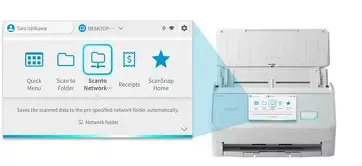
Integration with Modern Laptops
Modern laptops have moved toward USB-C and wireless-first architectures. The K620 fits this perfectly with its Bluetooth-first design. The Ix2500 also respects this trend by focusing on Wi-Fi connectivity. One of the greatest frustrations for laptop users is the "dongle hell" associated with connecting older peripherals. Both of these devices are designed to minimize cable clutter. The Ix2500’s ability to scan to the cloud without being plugged into the laptop at all is perhaps the most "forward-thinking" spec in this entire comparison. It acknowledges that the modern laptop user wants to be untethered.
Furthermore, the aesthetic of these devices has improved. Gone are the days of beige office equipment. The Logitech K620 features a sleek, minimalist design that complements the aluminum chassis of high-end ultrabooks. The Ricoh Ix2500 features a clean, white or black finish with a polished look that doesn't scream "industrial machinery." When you are building a workspace that you actually want to spend time in, visual cohesion matters.
Final Assessment: Is It Worth Upgrading?
In the "Spec Battle" between a keyboard and a scanner, the winner is determined by the nature of your friction. For the average laptop user, the Logitech K620 is the more universal upgrade. It touches every interaction you have with your machine, improving comfort, speed, and multi-device management. It is a relatively low-cost investment that yields constant, daily dividends in the form of better ergonomics and a more tactile typing experience.
However, for the "Power User" or the "Paper-Chaser," the Ricoh Scansnap Ix2500 is the more transformative upgrade. It doesn't just improve how you work; it changes what your work looks like. It removes the physical burden of paper and replaces it with a clean, searchable, digital archive. While the price point is higher, the ROI (Return on Investment) in terms of reclaimed desk space and saved time during tax season or document retrieval is immense.
In the end, many laptop owners eventually find they need both. The K620 provides the comfort to create the digital content, while the Ix2500 provides the efficiency to manage the analog influx. If you are looking for your next workstation improvement, start with the K620 if your wrists are tired, but start with the Ix2500 if your desk is buried in paper. Both represent the pinnacle of their respective categories, proving that even in a digital world, the hardware we choose to surround our laptops with remains a vital component of professional success.
Ultimately, upgrading your laptop experience isn't about buying every gadget available; it's about identifying the bottlenecks in your specific workflow. Whether it is the silent, rhythmic click of the K620 keys or the satisfying hum of the Ix2500 pulling in a stack of invoices, these tools are designed to let the technology fade into the background so you can focus on the work that matters.